A Comprehensive Overview to the Various Uses of HDPE Pipe in Building and Market
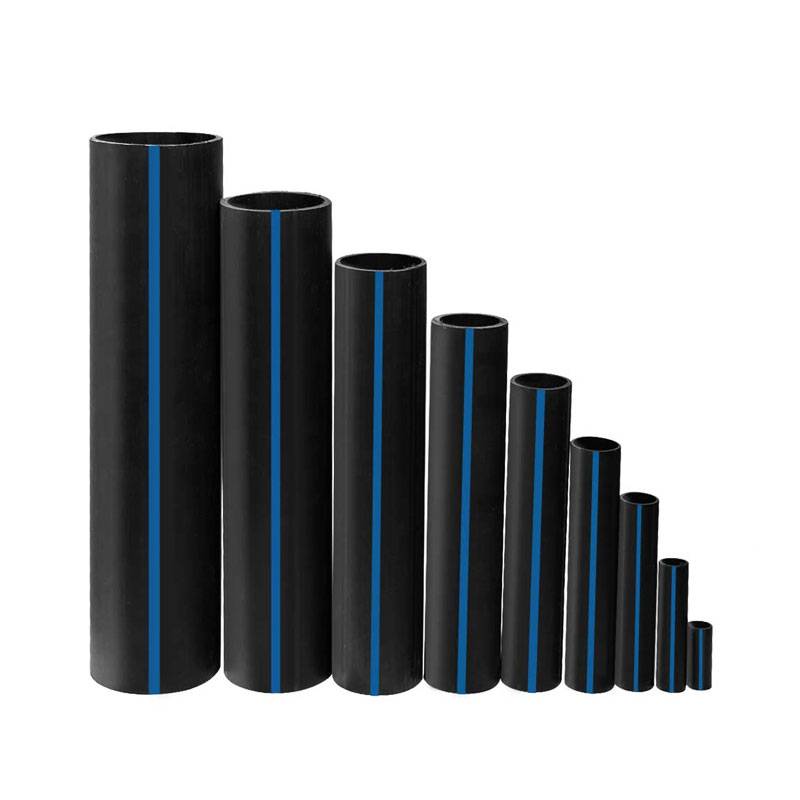
HDPE pipelines have actually arised as a crucial part in modern building and construction and commercial applications. Their unique residential properties, such as resistance to corrosion and lightweight layout, make them ideal for a wide variety of uses. From supply of water systems to farming irrigation, HDPE pipes use services that boost efficiency and sustainability. Understanding their varied applications is essential for professionals seeking to enhance facilities. What particular advantages do these pipelines offer each field?
Water Supply and Circulation Equipments
Water supply and circulation systems are crucial parts of urban facilities, typically depending on high-density polyethylene (HDPE) pipes for their durability and performance. These systems transport potable water from treatment facilities to consumers, making sure access and safety. HDPE pipelines are favored for their resistance to rust, chemicals, and severe temperatures, which improves their longevity and minimizes maintenance prices. Furthermore, their lightweight nature permits much easier installation and transport, making them optimal for numerous metropolitan and rural applications.
The flexibility of HDPE pipelines enables them to be set up in limited spaces and around barriers, reducing the demand for comprehensive excavation (American Plastics HDPE Pipe Manufacturing). Moreover, their smooth indoor surface minimizes friction losses, improving water circulation prices. As cities proceed to expand, the need for reputable water systems raises, positioning HDPE pipes as a sustainable option for modern-day framework projects. Their proven track record makes them a favored selection amongst engineers and metropolitan coordinators alike
Wastewater Management and Therapy
Effective wastewater management and treatment are essential for maintaining public health and wellness and ecological top quality. HDPE pipelines play an important role in this process due to their toughness, resistance to deterioration, and capacity to withstand harsh chemicals. These pipelines are typically used in various applications, including sewage systems, stormwater drain, and wastewater therapy centers. Their light-weight nature promotes less complicated installment and transport, minimizing labor prices and time.
Additionally, HDPE pipelines have a smooth interior surface that decreases friction loss, advertising efficient circulation rates. They are additionally less vulnerable to leakages and failings compared to standard products, making certain that contaminants are consisted of efficiently. Additionally, their flexibility permits for adaptability in different dirt conditions, making them appropriate for varied ecological settings. As markets increasingly prioritize lasting methods, the usage of HDPE pipes in wastewater management systems aligns with goals for reducing ecological impact and enhancing resource healing.
Agricultural Watering Solutions
In agricultural setups, effective watering services are important for enhancing plant returns and taking care of water sources. HDPE (High-Density Polyethylene) pipes play a crucial duty in modern irrigation systems due to their toughness, adaptability, and resistance to deterioration. Their Bonuses capacity to withstand high pressures makes them suitable for both surface area and subsurface watering applications, making certain consistent water circulation throughout areas.
Farmers can use HDPE pipelines in drip irrigation systems, which deliver water directly to plant roots, reducing wastage and promoting healthy development. In addition, these pipes are lightweight and simple to install, reducing labor costs and setup time. Their long lifespan and low upkeep demands additionally improve their appeal in agricultural methods.
HDPE pipelines are ecologically pleasant, as they can be reused and do not leach damaging chemicals into the soil. This makes them a sustainable selection for farmers aiming to adopt environment-friendly agricultural approaches while making best use of performance.
Industrial Applications and Procedures
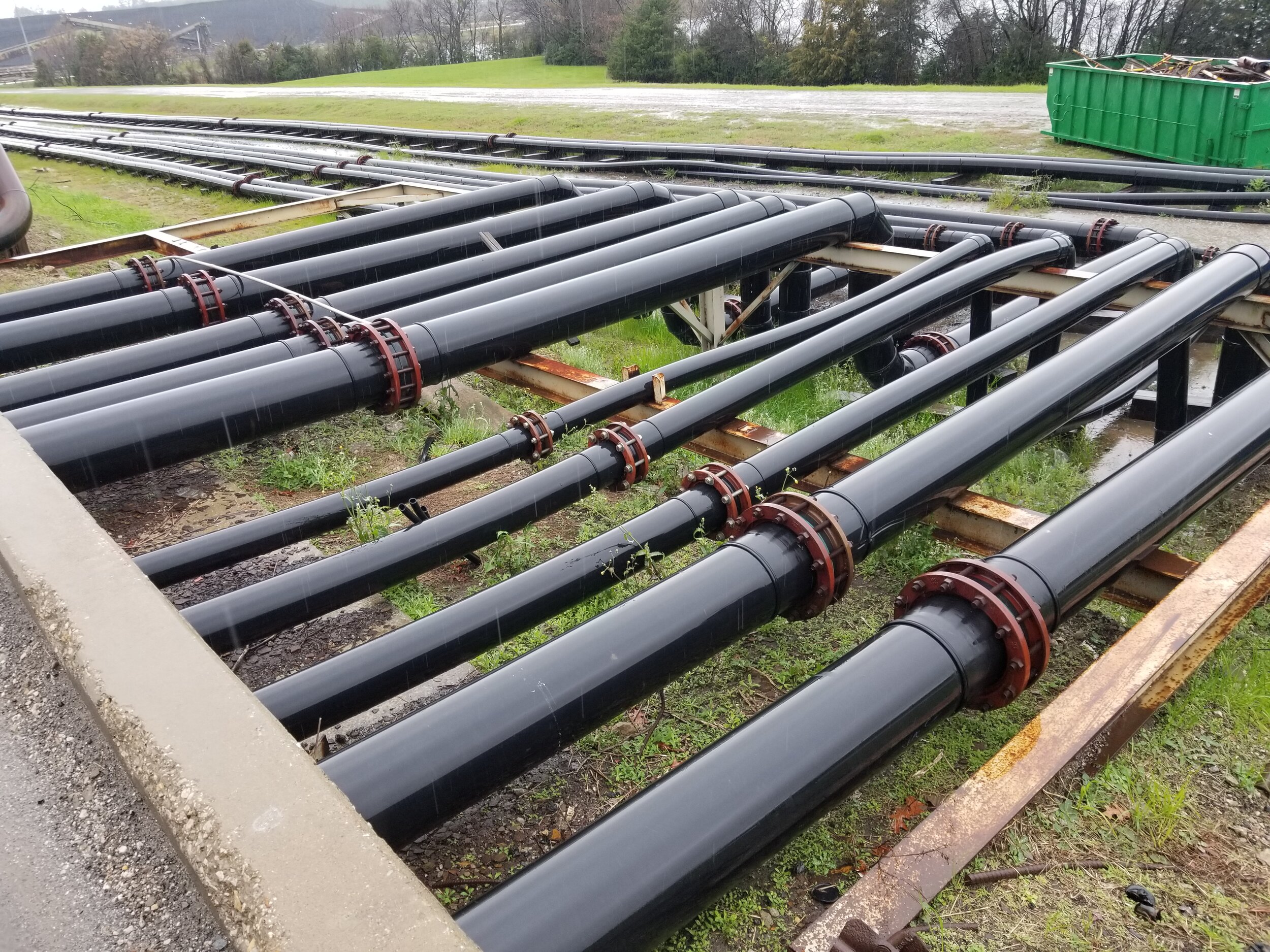
Adaptability is a trademark of HDPE pipes, making them essential in numerous industrial applications and procedures. These pipes are extensively used in chemical handling markets as a result of their exceptional resistance to a wide variety of corrosive substances. HDPE's light-weight nature, combined with high tensile stamina, allows for simple installation and long-lasting performance sought after environments.
In the oil and gas market, HDPE pipelines play a necessary role in delivering hydrocarbons and gases, thanks to their toughness and flexibility - Pipe Manufacturing Midland TX. Additionally, they are utilized in mining procedures for the transport of slurry and other materials, where standard piping systems might fall short
HDPE pipes are significantly used in producing centers for water supply lines and wastewater management. Their ability to stand up to severe temperatures and pressures makes them appropriate for a selection of commercial procedures. go right here In general, HDPE pipes add greatly to efficiency and safety throughout varied commercial applications.
Stormwater Management and Drainage Solutions
Stormwater management and drainage systems are critical components in city infrastructure, developed to manage excess rains and reduce flooding dangers. High-density polyethylene (HDPE) pipes are increasingly used in these systems as a result of their resilience, adaptability, and resistance to deterioration. These pipelines effectively carry stormwater far from booming locations, lessening surface drainage and stopping waterlogging.
HDPE's light-weight nature promotes simpler setup, minimizing labor costs and building time. Additionally, its resistance to chemicals and ecological stressors guarantees long life and dependability in various environments. Along with traditional water drainage applications, HDPE pipes are additionally utilized in innovative remedies such official site as environment-friendly facilities, which includes rain yards and permeable sidewalks.
Often Asked Concerns
Exactly How Does HDPE Pipe Contrast to PVC Pipeline in Expense?
As a whole, HDPE pipe tends to be a lot more costly than PVC pipeline due to its enhanced toughness and versatility. However, long-term price factors to consider, such as maintenance and lifespan, may favor HDPE in specific applications.

What Is the Lifespan of HDPE Piping Under Varying Problems?
HDPE pipes usually have a life expectancy of 50 to 100 years, relying on ecological problems, setup methods, and use. Factors such as temperature level, dirt type, and direct exposure to chemicals can significantly influence their longevity.
Can HDPE Pipeline Be Recycled After Usage?
Yes, HDPE pipelines can be recycled after use. The reusing process involves thawing down the material, permitting it to be repurposed into brand-new products, thereby advertising sustainability and reducing ecological impact related to plastic waste.
Are There Any Kind Of Certain Installation Difficulties With HDPE Pipes?
Setup obstacles with HDPE pipelines consist of appropriate jointing strategies, making certain adequate trench problems, and handling thermal expansion. In addition, skilled labor is required to take care of specialized tools, which can make complex the installment procedure in various settings.
What Qualifications Should I Look for When Getting HDPE Pipes?
When acquiring HDPE pipelines, one need to seek qualifications such as ASTM, AASHTO, and ISO, which validate quality and conformity with industry criteria, guaranteeing longevity and performance in numerous applications. - hdpe pipe fittings Midland TX
Comments on “Essential Reasons to Choose hdpe pipe suppliers Midland TX for Your Next Project”